UNİBİS Editör
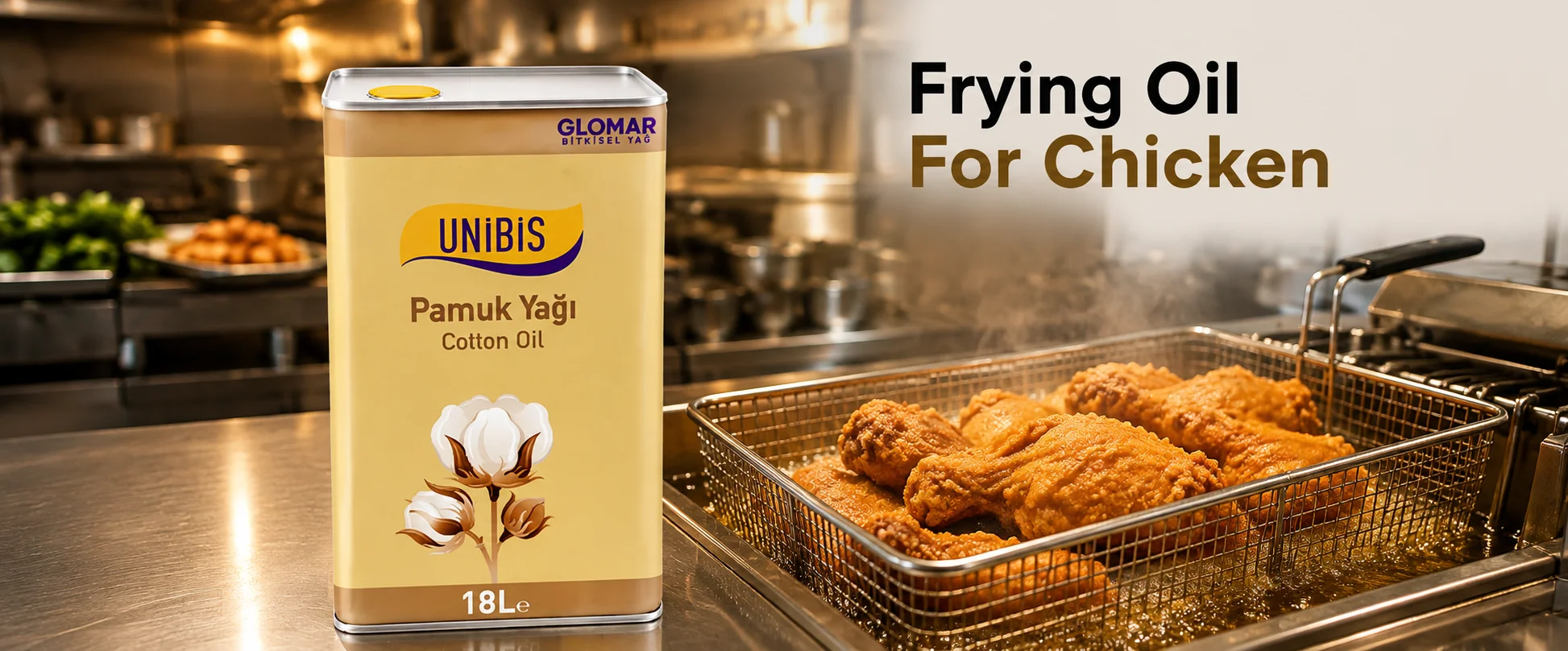
5 July 2026As Turkey's premier manufacturer of vegetable oil, ghee, and industrial margarine, UNİBİS is at the forefront of supplying high-performance solutions to the global food industry. In the dynamic world of commercial kitchens and food manufacturing, the choice of frying oil for chicken is paramount, directly impacting the sensory experience, operational efficiency, and overall profitability. Our commitment at UNİBİS is to provide superior quality oils that ensure consistently crispy, flavorful, and perfectly cooked chicken, meeting the exacting standards of chefs, food manufacturers, and HoReCa buyers worldwide. This comprehensive guide delves into the critical aspects of selecting and utilizing frying oil for chicken, highlighting UNİBİS's dedication to quality, innovation, and industry-leading standards.
The Critical Role of Proper Frying Oil Selection in Food Manufacturing
The selection of the right frying oil for chicken is a decision that resonates throughout the entire production process, from the initial sizzle to the final bite. It is not merely about choosing a medium for heat transfer; it is about optimizing flavor, texture, stability, and cost-effectiveness. UNİBİS understands these intricate demands, offering a range of vegetable oils meticulously formulated for high-performance frying applications. The properties of a superior frying oil directly contribute to the success of your fried chicken products:
- Oil Stability and Longevity: A high-quality frying oil must possess exceptional oxidative stability, allowing it to withstand prolonged exposure to high temperatures without breaking down rapidly. This stability is crucial for extending the oil's useful life, reducing changeover frequency, and ultimately lowering operational costs. UNİBİS oils are engineered for robustness, ensuring consistent performance over extended periods.
- Flavor Profile Enhancement: The frying oil acts as a subtle yet significant flavor carrier. A neutral-flavored oil ensures that the inherent taste of the chicken and its seasoning takes center stage, without imparting undesirable off-notes. Conversely, some specialized oils can contribute a complementary flavor. UNİBİS offers oils with clean, neutral profiles, allowing the true essence of your chicken recipes to shine.
- Texture Development: Achieving that coveted golden-brown, crispy exterior while maintaining a tender, juicy interior is the hallmark of perfectly fried chicken. The right oil facilitates rapid crust formation through effective moisture removal from the surface, creating a desirable textural contrast. Our oils are designed to promote superior crispness and a visually appealing golden hue.
- Moisture Retention and Juiciness: Beyond the crispy crust, the oil plays a vital role in sealing in the chicken's natural juices. Rapid heat transfer from a high-quality oil quickly cooks the exterior, creating a barrier that locks moisture inside, preventing the chicken from drying out and ensuring a succulent eating experience.
- Efficient Heat Transfer: Oils with optimal thermal conductivity ensure even cooking, preventing hot spots and ensuring that every piece of chicken, regardless of size or shape, is cooked uniformly. This efficiency is critical for consistency in high-volume production environments.
- Cost-Effectiveness and Sustainability: While quality is paramount, operational costs are a key consideration. Oils that offer extended fry life, efficient heat transfer, and consistent results contribute to overall cost-effectiveness by reducing waste and optimizing energy usage. UNİBİS provides solutions that balance premium performance with economic viability.
Application Guidelines for Optimal Frying of Chicken & Other Culinary Uses
The versatility and performance of UNİBİS vegetable oils make them ideal for a wide array of frying applications, with a particular focus on delivering excellence in fried chicken. Understanding the specific demands of different frying methods and product types is key to maximizing results.
Optimal Frying Oil for Crispy Fried Chicken
For traditional crispy fried chicken, whether bone-in pieces or tenders, the choice of oil is critical. We recommend a high-quality vegetable oil with a high smoke point and neutral flavor. Oils like refined sunflower oil, canola oil, or specialized blends from UNİBİS are excellent choices. These oils withstand the high temperatures required for rapid cooking and browning, ensuring a crisp exterior and thoroughly cooked interior without imparting unwanted flavors. Consistent oil quality is vital for batch-to-batch consistency in texture and appearance.
Considerations for Battered and Breaded Chicken Products
When frying battered or breaded chicken (e.g., nuggets, fillets, schnitzel), the oil must effectively set the coating while cooking the chicken inside. The oil's viscosity and heat transfer properties are important here to prevent the coating from becoming soggy or separating. UNİBİS oils are formulated to ensure optimal adhesion and minimal oil absorption into the coating, resulting in a light, crisp, and appealing finish. Regular filtration and temperature management are even more crucial with breaded products to prevent crumb accumulation and maintain oil quality.
High-Volume Frying Operations
Commercial operations, from large-scale food manufacturers to busy HoReCa establishments, demand oils that perform reliably under continuous, high-temperature use. UNİBİS offers industrial-grade frying oils designed for superior oxidative stability and extended fry life in deep-fryers. These oils minimize foaming, resist polymerization, and maintain a clean flavor profile even after numerous frying cycles, provided proper oil maintenance protocols are followed.
Versatility in Culinary Frying Applications
Beyond chicken, UNİBİS oils are perfectly suited for a broad spectrum of culinary frying needs. Our range includes options ideal for frying fish and chips, calamari, spring rolls, and various potato products. The consistent quality and performance across our portfolio ensure that whether you're frying delicate seafood or robust vegetables, you achieve optimal results every time. For applications requiring specific fat characteristics, our industrial margarines and shortenings also offer tailored solutions for baked goods and other food categories, demonstrating the breadth of UNİBİS's expertise.
Master Chef Production Tips for Superior Fried Chicken
Achieving consistently excellent fried chicken goes beyond selecting the right oil; it involves a meticulous approach to the entire frying process. Expert chefs and food producers employ several key techniques to ensure optimal results:
- Optimal Oil Temperature Control: Precision is paramount. The ideal frying temperature for most chicken products is between 170°C and 180°C (340°F-350°F). Too low, and the chicken absorbs excess oil, becoming greasy. Too high, and the exterior burns before the interior is cooked. Use calibrated thermometers and modern fryer controls to maintain a stable temperature.
- Proper Oil Filtration and Maintenance: Regular filtration is non-negotiable for extending oil life and maintaining product quality. Remove food particles frequently, ideally after each batch or every few hours, to prevent breakdown and off-flavors. Top up oil levels as needed with fresh UNİBİS oil to dilute breakdown products and maintain performance.
- Avoid Overcrowding the Fryer: Frying too much chicken at once drastically drops the oil temperature, leading to greasy, poorly cooked results. Fry in small, manageable batches to allow the oil to recover its temperature quickly and ensure even cooking and crispness.
- Pre-Preparation of Chicken: Ensure chicken pieces are uniform in size for even cooking. Pat chicken dry before breading or battering to promote better adhesion and reduce oil splattering. Brining or marinating chicken can enhance flavor and tenderness.
- Post-Frying Handling: Immediately after frying, transfer chicken to a wire rack over a sheet pan to allow excess oil to drain. This prevents the chicken from becoming soggy. Seasoning should be applied while the chicken is still hot, allowing the flavors to adhere and penetrate effectively.
- Monitoring Oil Quality: Regularly assess the oil for signs of degradation, such as darkening, excessive smoking below its smoke point, foaming, or off-odors. UNİBİS oils are designed for longevity, but timely replacement is crucial for maintaining food quality and safety.
Food Safety, Halal Certification & ISO Quality Standards
At UNİBİS, food safety and quality are non-negotiable pillars of our operation. We understand that our products are integral to the safety and reputation of our clients' food offerings. Our commitment is demonstrated through rigorous adherence to international standards and best practices:
All UNİBİS products, including our premium frying oils, are manufactured in state-of-the-art, hygienic facilities designed to prevent contamination and ensure product purity. Our production processes are meticulously controlled and monitored at every stage, from raw material sourcing to final packaging.
We implement strict Quality Assurance (QA) and Quality Control (QC) testing protocols. Every batch of UNİBİS oil undergoes comprehensive laboratory analysis to verify its physical, chemical, and sensory properties. This includes testing for fatty acid profiles, peroxide value, free fatty acids, and oxidative stability, ensuring that our products consistently meet or exceed industry specifications.
Traceability is a cornerstone of our quality system. We maintain complete traceability records for all raw materials and finished products, allowing for quick and efficient identification and recall if ever necessary. This transparency provides our customers with complete peace of mind regarding the origin and journey of their UNİBİS products.
UNİBİS is proud to hold internationally recognized certifications, including ISO 9001 for Quality Management Systems, ISO 22000 for Food Safety Management Systems, and Halal certification. These certifications underscore our unwavering commitment to producing safe, high-quality, and ethically compliant products for a diverse global market. Our Halal certification ensures that our products meet the dietary requirements of Islamic law, opening doors to vast consumer segments.
Optimal Storage & Shelf-Life Best Practices
Proper storage is essential to preserving the quality, performance, and shelf-life of frying oils. UNİBİS oils are produced to the highest standards, but their integrity can be compromised by improper handling and storage. Adhering to these best practices will help maintain the oil's freshness and efficacy:
- Protection from Sunlight and Light: Light, especially UV light, can accelerate the oxidation of oils, leading to rancidity and off-flavors. Always store UNİBİS oils in opaque containers or in a dark environment, away from direct sunlight or strong artificial light sources.
- Ideal Ambient Temperature: Oils should be stored in a cool, dry place. Extreme temperatures, both hot and cold, can negatively affect oil quality. High temperatures speed up oxidation, while very low temperatures can cause crystallization or cloudiness (though this typically reverses upon warming without affecting quality). A consistent ambient temperature, typically between 15°C and 25°C (59°F-77°F), is ideal.
- Odor-Free Storage Environment: Oils can absorb strong odors from their surroundings. Store oil containers away from aromatic chemicals, cleaning supplies, spices, or other strong-smelling products to prevent flavor contamination.
- Airtight Sealing: Oxygen is a primary contributor to oil degradation. Always ensure that containers are tightly sealed after each use to minimize exposure to air. This reduces the rate of oxidation and helps maintain freshness.
- Cleanliness and Hygiene: Maintain a clean storage area, free from dust, pests, and spills. Ensure that any utensils or pumps used for dispensing oil are clean and dry.
By following these storage guidelines, UNİBİS customers can ensure that our high-quality frying oils retain their superior characteristics throughout their intended shelf-life, delivering consistent performance every time.
Frequently Asked Questions (FAQs)
Here are answers to common questions food producers have about frying oil for chicken:
1. What type of UNİBİS oil is best for achieving the crispiest fried chicken in a commercial setting?
For commercial applications demanding ultimate crispness and extended fry life, UNİBİS recommends its highly stable, refined vegetable oils, such as our premium sunflower oil or specially formulated frying oil blends. These oils are characterized by a high smoke point, neutral flavor, and excellent oxidative stability, which are crucial for consistent performance in high-volume deep-frying. Their properties ensure rapid heat transfer, leading to a quick crust formation and a non-greasy, crispy finish.
2. How often should frying oil be changed in a busy commercial kitchen or food manufacturing plant?
The frequency of oil changes depends on several factors