UNİBİS Editör
27 June 2026As Turkey's leading manufacturer of vegetable oil, ghee, and industrial margarine, UNİBİS is at the forefront of providing high-performance fat solutions for the global food industry. Our commitment to excellence ensures that every product, from specialized shortenings to versatile margarines, meets the rigorous demands of commercial bakeries, food manufacturers, distributors, chefs, and HoReCa buyers worldwide. In the intricate world of biscuit production, the choice of shortening is not merely an ingredient decision; it is a critical factor that dictates the final product's culinary performance, texture, and overall consumer appeal.
The perfect biscuit is a symphony of crispness, tenderness, and a delightful melt-in-the-mouth sensation. Achieving this requires more than just a recipe; it demands a deep understanding of ingredient functionality, particularly the role of shortening. Shortening provides the characteristic short texture by interfering with gluten development, ensuring a tender bite rather than a chewy one. It also contributes significantly to the biscuit's spread, color, and extended shelf life, preventing staleness and maintaining freshness. UNİBİS prides itself on delivering shortening solutions engineered for consistent performance, enabling our partners to produce biscuits of unparalleled quality and consistency, batch after batch.
The Critical Role of Proper Fat & Margarine Selection in Food Manufacturing
The selection of the right fat or margarine is paramount in food manufacturing, influencing a myriad of crucial characteristics that define the quality and appeal of the final product. For biscuits, specifically, the impact is profound, directly affecting texture, mouthfeel, and stability.
- Dough Structure and Aeration: While biscuits do not typically undergo significant yeast-induced rise, shortening plays a vital role in creating internal structure and lightness. Through the creaming process, shortening traps air, which, upon baking, expands to create a more open, tender crumb. This aeration contributes to a less dense biscuit, enhancing its perceived lightness and crispness.
- Flakiness and Tenderness: Shortening is named for its ability to "shorten" gluten strands, preventing the formation of a tough, elastic network. In biscuits, this translates to a tender, crumbly texture that melts in the mouth, rather than a chewy or rubbery one. The fat coats flour particles, inhibiting hydration and gluten development, which is essential for achieving the desired biscuit bite.
- Crumb Structure and Uniformity: Proper fat incorporation ensures a consistent and desirable crumb structure. It aids in the even distribution of other ingredients, leading to a uniform texture throughout the biscuit. This consistency is crucial for commercial production, guaranteeing that every biscuit meets the expected quality standards.
- Emulsification and Ingredient Blending: Shortenings possess excellent emulsification properties, helping to bind water and oil-based ingredients seamlessly. This is critical for creating a smooth, workable biscuit dough, preventing separation, and ensuring that flavors and leavening agents are evenly dispersed, leading to a homogenous product.
- Lightness and Palatability: Beyond texture, shortening contributes to the overall lightness and palatability of biscuits. It enhances mouthfeel, providing a smooth, rich sensation. The right shortening can also influence the biscuit's browning during baking, contributing to an appealing golden color and a more inviting aroma.
Application Guidelines for Different Bakery & Food Categories
UNİBİS offers a diverse portfolio of fats and margarines, each meticulously formulated to excel in specific applications, ensuring optimal performance across a wide spectrum of bakery and food categories. Understanding the unique requirements of each application is key to selecting the ideal product.
Shortening for Biscuits & Cookies
For biscuits and cookies, shortening is indispensable. Its plasticity and melting profile are critical. A good biscuit shortening should have a wide plastic range, allowing for easy incorporation into doughs at various temperatures, and a sharp melting point just below body temperature for a desirable melt-in-the-mouth sensation. For hard biscuits, a shortening that minimizes spread is preferred, maintaining shape, while for soft, chewy cookies, a shortening promoting controlled spread and moisture retention is ideal. UNİBİS offers specialized shortenings that provide superior creaming ability, excellent aeration, and contribute to the desired crispness, tenderness, and extended shelf life, crucial for both wire-cut and rotary moulded biscuit production.
Croissants & Puff Pastry
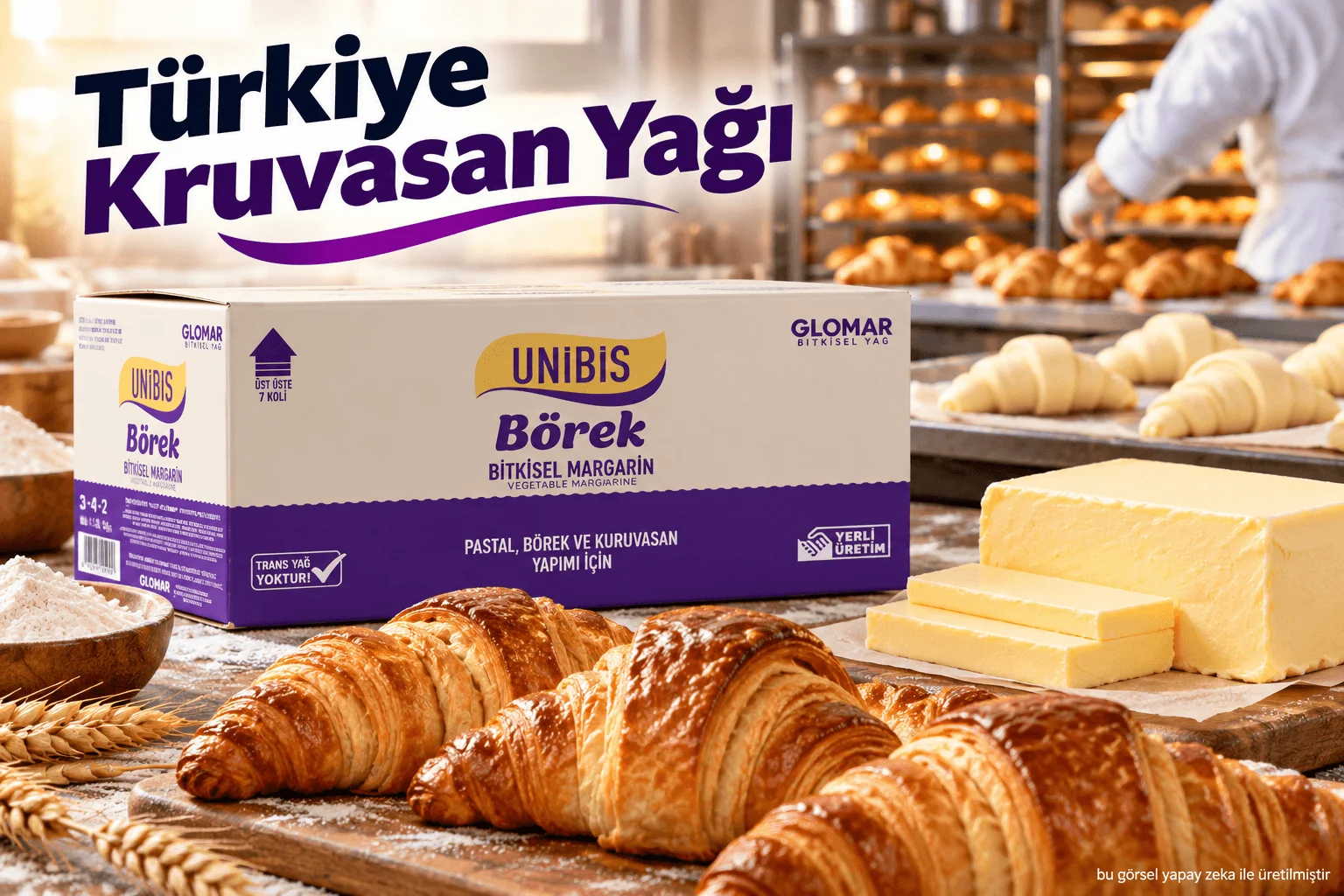
Laminated products like croissants and puff pastry demand specific laminating margarines or fats with high plasticity and a precise melting point. These fats must remain solid during the sheeting and folding process to create distinct layers, yet melt completely during baking to produce the characteristic flaky texture. Our specialized laminating margarines offer exceptional workability, ensuring consistent layering and maximum lift.
Baklava & Traditional Pastries
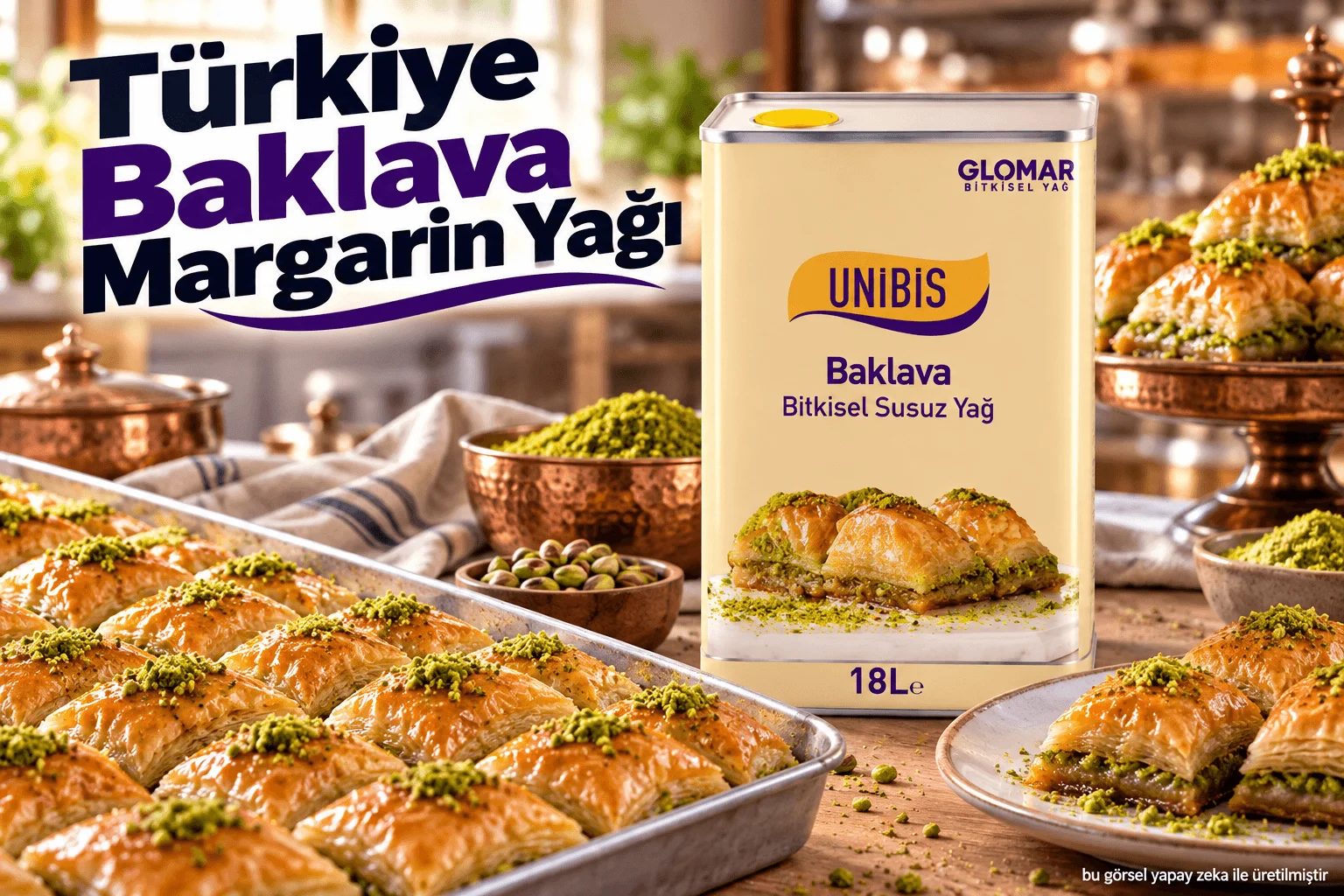
Traditional pastries such as baklava rely on fats that impart a rich flavor and contribute to delicate, crisp layers. Our clarified butter substitutes and specialized fats are designed to provide the authentic taste and texture required, offering excellent heat stability and ensuring that each layer separates beautifully during baking, resulting in a perfectly golden and tender pastry.
Frying Applications
For deep-frying, our range includes fats with high smoke points, neutral flavors, and excellent oxidative stability. These characteristics ensure that fried products achieve a desirable golden color, crisp texture, and do not absorb unwanted flavors from the frying medium. Our frying shortenings are engineered for extended fry life, reducing operational costs and maintaining consistent product quality.
General Culinary Applications
Beyond specialized bakery uses, UNİBİS products are versatile for a wide range of culinary applications, including sautéing, pan-frying, and in the preparation of sauces and gravies. Our all-purpose shortenings and margarines provide consistent performance, contributing to flavor, texture, and mouthfeel across diverse dishes.
Master Baker & Chef Production Tips
Achieving perfection in bakery products, especially biscuits, requires not only the finest ingredients but also precise execution. Here are essential tips from master bakers and chefs to optimize the use of shortening in your production:
- Dough Temperature Control: Maintaining the correct dough temperature is paramount. For most biscuit doughs, especially those using the creaming method, the shortening should be at a cool room temperature (around 18-20°C). If the shortening is too cold, it won't cream properly; if too warm, it can melt prematurely, leading to a greasy texture and excessive spread. Consistent temperature ensures optimal plasticity and workability.
- Proper Fat Incorporation Techniques:
- Creaming Method: For soft, tender biscuits, cream the shortening with sugar until light and fluffy. This process incorporates air, contributing to the biscuit's lightness and crumb structure. Ensure complete emulsification before adding dry ingredients.
- Cutting-In Method: For shortcrust-style biscuits or those requiring a more crumbly texture, cut cold, solid shortening into the flour mixture. This creates pockets of fat that melt during baking, resulting in a tender, flaky texture. Avoid overworking the dough, which can develop gluten and lead to toughness.
- Adequate Resting Periods: After mixing, allow biscuit dough to rest in a cool place, ideally refrigerated, for at least 30 minutes. This allows the gluten to relax, which prevents shrinkage during baking, and gives the shortening time to firm up, making the dough easier to handle and contributing to a better final texture. Resting also allows flavors to meld.
- Optimal Melting Techniques (When Applicable): If a recipe calls for melted shortening, ensure it is melted gently over low heat or in a microwave at short intervals, stirring frequently. Avoid overheating, which can cause separation of fat components or lead to a greasy product. It should be just melted, not hot, before incorporating into other ingredients.
- Scaling Accuracy: Precision in measuring shortening is crucial. Even small variations can significantly impact the final texture, spread, and consistency of biscuits. Use accurate scales for all ingredients.
Food Safety, Halal Certification & ISO Quality Standards
At UNİBİS, food safety and quality are non-negotiable pillars of our operation. We understand that our products are critical components in the supply chain of global food manufacturers, and their safety and quality directly impact our partners' reputations and consumer trust.
Our state-of-the-art production facilities adhere to the most stringent international food safety standards. We employ advanced hygienic practices throughout the manufacturing process, from raw material sourcing to final packaging, ensuring a clean and contamination-free environment. Each batch of shortening and margarine undergoes rigorous Quality Assurance (QA) and Quality Control (QC) testing in our modern laboratories. This includes comprehensive analysis for physical, chemical, and microbiological parameters, guaranteeing that every product consistently meets and exceeds industry benchmarks.
Traceability is another cornerstone of our quality system. We maintain a robust traceability system that allows us to track every ingredient from its origin through every stage of production to the finished product. This provides complete transparency and accountability, offering peace of mind to our partners.
Furthermore, UNİBİS is proud to hold internationally recognized certifications, including Halal Certification, which is vital for serving markets with specific dietary requirements. Our commitment to quality is also underscored by compliance with ISO Quality Standards (such as ISO 9001 for quality management systems and ISO 22000 for food safety management systems). These certifications are a testament to our unwavering dedication to delivering safe, high-quality, and compliant products to our global clientele.
Optimal Storage & Shelf-Life Best Practices
Proper storage is essential to maintain the quality, functionality, and extended shelf life of UNİBİS shortenings and margarines. Adhering to these best practices will ensure that our products perform optimally when used in your manufacturing processes:
- Protection from Direct Sunlight: Store products in a cool, dark place, away from direct sunlight or any intense artificial light. Exposure to light can accelerate oxidation, leading to rancidity and degradation of product quality and flavor.
- Ideal Ambient Temperature