UNİBİS Editör
13.09.2026In large-scale commercial food processing, industrial baking, and food service operations, fat is not merely an ingredient; it is a critical structural element that dictates texture, mouthfeel, aroma, and shelf-life stability. Vegetable ghee—also known in global markets as vegetable cooking fat or vanaspati—serves as a cost-effective, highly functional, and shelf-stable alternative to traditional dairy fat. However, sourcing this fundamental ingredient requires thorough evaluation. Selecting the wrong supplier can lead to inconsistent crystallization, erratic melting profiles, lamination failure, and costly production downtime. As Turkey's premier vegetable oil, ghee, and industrial margarine manufacturer, UNİBİS delivers state-of-the-art lipid solutions engineered to meet the demanding requirements of commercial bakeries, food producers, and global distributors.
The Critical Role of Proper Fat & Margarine Selection in Food Manufacturing
Every commercial food application requires a lipid matrix with precise crystallization behavior and thermodynamic stability. Choosing a high-specification vegetable ghee directly influences processing efficiency and finished product attributes:
- Optimized Dough Rise and Expansion: High-performance fats stabilize air cells during the mixing process, allowing the gluten-starch matrix to expand evenly during proofing and baking without structural collapse.
- Lamination and Flakiness: In layered dough systems, vegetable ghee with balanced plasticity creates distinct, unbroken fat barriers between dough sheets, generating superior lift and crisp, delicate layers.
- Crumb Structure and Cell Uniformity: The solid-to-liquid fat ratio governs aeration, resulting in a fine, uniform crumb structure in cakes, biscuits, and industrial sweet breads.
- Emulsification and Moisture Retention: Premium vegetable ghee blends integrate smoothly with aqueous phases, locking in essential moisture to prevent staling and prolong market shelf life.
- Lightness and Palatability: Modern vegetable ghee formulations are crafted to melt cleanly at body temperature, eliminating greasy residue or waxy mouthfeel on the palate.
Application Guidelines for Different Bakery & Food Categories
A dependable manufacturer must provide tailored fat solutions calibrated for distinct culinary and industrial applications:
1. Baklava and Traditional Filo Specialties
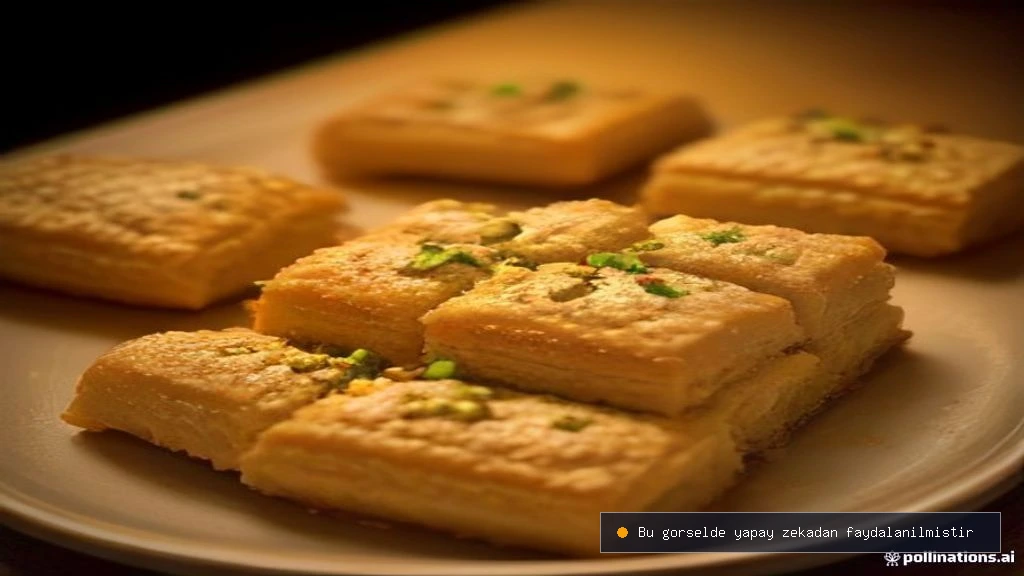
Baklava production demands a vegetable ghee with exceptional thermal clarity, a pleasant buttery aroma, and a melting point that allows deep penetration into micro-thin filo layers. The fat must crisp the pastry evenly to a vibrant golden hue without smoking or imparting burnt notes during prolonged baking cycles.
2. Croissants, Danish Pastries, and Puff Pastry
Laminated doughs require specialized vegetable ghee or bakery margarine with high plasticity and a broad working temperature range. The fat must withstand continuous mechanical sheeting and rolling without fracturing or melting into the dough matrix, ensuring distinct, flaky lamination.
3. Biscuits, Cookies, and Shortbread
In short-dough manufacturing, the primary role of the fat is to coat flour particles and inhibit gluten network development. Vegetable ghee with a tailored Solid Fat Content (SFC) profile imparts short, crumbly textures and clean snap characteristics in rotary-molded and wire-cut cookies.
4. Eastern Confectionery and Halva
For traditional sweets, halva, and roasted semolina confectionery, vegetable ghee must exhibit high thermal resistance and oxidative stability during high-temperature roasting, delivering authentic aroma and rich mouthfeel.
5. Industrial Frying and Sautéing
Continuous industrial frying requires a cooking fat with a high smoke point, low free fatty acid (FFA) baseline, and high resistance to thermal breakdown. Quality vegetable ghee ensures low oil pickup, uniform color development, and reduced polar compound formation over extended frying cycles.
Master Baker & Chef Production Tips
Achieving peak culinary performance depends on precise handling and process control on the factory floor:
- Temperature Synchronization: Always harmonize the temperature of the vegetable fat with your dough prior to lamination. A divergence of more than 2°C to 3°C between dough and fat can cause fat fracturing (if too cold) or absorption into the dough (if too warm).
- Controlled Fat Incorporation: In creaming operations, introduce vegetable ghee at 18°C to 22°C. This temperature range maximizes air entrapment, creating stable micro-bubbles that drive volume in sponge and cake batters.
- Strategic Resting Periods: Allow laminated doughs sufficient chilled resting periods between sheeting stages. This relaxes gluten tension and allows the lipid crystals to re-stabilize, preventing shrinkage and uneven shrinkage during baking.
- Gentle Melting Protocols: When liquefying vegetable ghee for sprays or batter blending, use indirect, low-heat melting vessels. Exposing the fat to localized hot spots above 60°C can degrade delicate flavor volatiles and compromise natural antioxidant systems.
Food Safety, Halal Certification & ISO Quality Standards
When selecting a vegetable ghee manufacturing partner, verification of food safety and compliance systems is essential. A reliable manufacturer must operate under strictly audited, internationally accredited quality frameworks:
- Hygienic Refining and Processing: Production must take place in automated, closed-loop stainless steel refining and packaging facilities that eliminate physical, chemical, and biological contamination risks.
- Comprehensive QA/QC Laboratory Testing: Every production batch should be systematically tested for key parameters, including Free Fatty Acids (FFA), Peroxide Value (PV), Solid Fat Content (SFC) curves via pulsed NMR, melting point, and color consistency.
- Halal and Food Safety Certifications: Industrial buyers require valid certifications such as ISO 9001 (Quality Management), ISO 22000 / FSSC 22000 (Food Safety Systems), and internationally recognized Halal certifications to ensure global market access.
- Full Lot Traceability: The manufacturer must maintain complete upstream and downstream traceability from crude vegetable oil sourcing through refining, texturizing, packaging, and shipping.
Optimal Storage & Shelf-Life Best Practices
To preserve the sensory properties and oxidative stability of vegetable ghee throughout its commercial shelf life, industrial purchasers should implement strict warehouse storage protocols:
- Direct Sunlight and UV Protection: Store product containers away from direct sunlight, UV light, and high-intensity artificial lighting to prevent photo-oxidation and rancidity.
- Controlled Ambient Temperature: Maintain warehouse temperatures between 15°C and 25°C in a dry environment. Severe thermal fluctuations induce fat blooming and altered crystal structures (polymorphism), which can disrupt industrial processing.
- Aroma-Free Environment: Vegetable fats readily absorb volatile ambient odors. Store pallets in dedicated, well-ventilated areas away from strong spices, chemicals, or aromatic raw materials.
- First-In, First-Out (FIFO) Rotation: Implement strict stock rotation protocols to ensure ingredients are utilized within their optimal performance window.
Frequently Asked Questions (FAQs)
1. How does vegetable ghee compare to pure anhydrous milk fat (AMF) in commercial baking?
Vegetable ghee offers several operational advantages over dairy butterfat, including significantly higher oxidative stability, longer shelf life, consistent year-round pricing, and reliable melting profiles independent of seasonal dairy fluctuations. When formulated by UNİBİS with high-grade nature-identical butter aromas, vegetable ghee provides the sensory appeal of traditional ghee at a more cost-effective and scalable industrial price point.
2. What is the significance of the Solid Fat Content (SFC) profile in vegetable ghee?
The SFC profile indicates the percentage of solid fat crystals present at varying temperatures. For industrial bakeries, SFC determines how the fat behaves during mixing, rolling, and consumption. A steep SFC curve ensures high structural stability at room temperature paired with a rapid melt-down at mouth temperature (37°C), preventing a lingering, greasy coating on the palate.
3. Can UNİBİS customize vegetable ghee formulations for hot climates and export markets?
Yes. UNİBİS formulates tailored vegetable ghee solutions engineered with customized melting points and specific crystallization rates designed to withstand elevated ambient temperatures in Middle Eastern, African, and Asian markets without phase separation or oil bleeding.
Wholesale Supply & Export Advantages with UNİBİS Turkey
Choosing the right manufacturing partner is a strategic operational decision. Headquartered in Turkey—at the crossroads of major trade corridors linking Europe, the Middle East, Africa, and Central Asia—UNİBİS delivers unmatched supply chain agility, high-capacity production facilities, and competitive freight options.
UNİBİS manufactures an extensive portfolio of high-performance vegetable ghee, industrial margarines, pastry fats, and specialized vegetable cooking oils. Available in commercial packaging formats ranging from 10 kg and 16 kg hermetically sealed tins to 15 kg and 20 kg poly-lined cartons, drums, and bulk IBC containers, our products are engineered to optimize your food production lines. Partner with UNİBİS to ensure consistent quality, full regulatory compliance, and reliable wholesale supply for your enterprise.